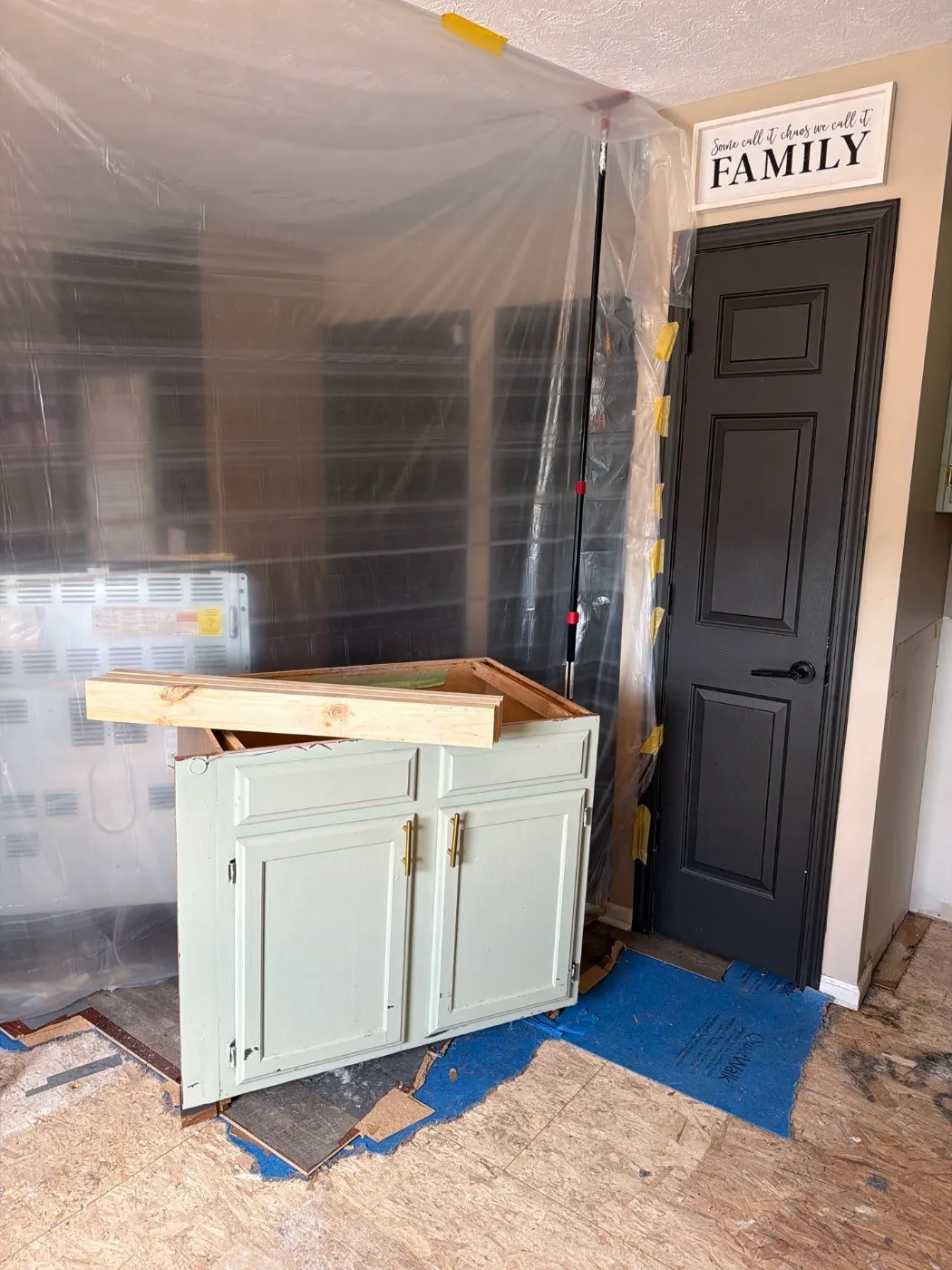
Commercial Storm Damage in Greentown, IN
From ponding water on the roof to the wet floor three stories down, Greentown Water Restoration handles Greentown commercial losses.
Greentown Water Restoration provides Commercial Storm Damage in Greentown, IN. 24/7 emergency response with IICRC certified crews, and we work with your insurance carrier on approved claims. Call (463) 241-6041 for immediate dispatch.
- Service: Commercial Storm Damage for Greentown homeowners
- Service area: Greentown, IN and surrounding areas
- Response time: Emergency water calls in Greentown get crews rolling, not callbacks
- Licensed and insured (License #RC21100059)
- Serving Greentown, IN since 2018
Commercial Storm Damage Cleanup in Greentown
After a storm hits a commercial building in Greentown, we'll cover the opening and then dry out the space underneath it.
Storms Here
Spring and summer are severe thunderstorm season here, and ice storms hit some winters. NWS Indianapolis posts summaries of past storms, which helps when your carrier asks for a date.
We respond to storm calls from businesses anywhere in Greentown, including those around the Historic Downtown Walking Trail. We also handle commercial storm damage in Jerome, Kokomo, Sycamore and Converse.
Commercial Storm Damage for Greentown Businesses
You're the one who has to tell ownership what happened and what it will cost, and right now you've got a wet floor plate and a roof you can't see from the ground. Greentown Water Restoration handles commercial storm intrusion across central Indiana with crews that document a loss the way a carrier's consultant will want to read it. Greentown Water Restoration dispatches to Greentown, IN within two hours, and the moisture log starts the day the water does.
Water that crossed the dock apron or rose from outside gets handled as contaminated until the crew has established its category. Porous materials it soaked, such as carpet and insulation, are removed and bagged, and hard surfaces are cleaned before drying equipment goes in. Photos of the water line and the entry point at your Greentown dock go in the file first.
The roof and the interior get scheduled together on Greentown Water Restoration commercial jobs. The dry in gets inspected after every rain while interior equipment is up, because a drying chamber that keeps taking on water never reaches its target. When a permanent roof repair or a section replacement is in the works, interior closeout gets timed to follow it so nothing has to be redone.
Tenants file their own claims for contents and business interruption, and those claims need the building side documented to make sense. Greentown Water Restoration gives the property manager a per suite record of what was wet, when equipment ran, and when each space was released. The team stays out of the tenants' claims and gives their adjusters the building facts on request, with you copied.
Ask Greentown Water Restoration how the daily readings will reach you and your broker when you call about your Greentown property. They arrive as the drying runs, so you can answer ownership with current numbers while the job is still running.
Signs You Need Commercial Storm Damage Restoration
If you notice any of these in your Greentown building, schedule a free inspection before the issue worsens.
Dock concrete that stays dark and cool to the touch for days after the surface water is gone
Light fixtures out in one zone of the ceiling grid after a storm, with the breaker holding
Ceiling tiles sagging, stained brown at the center, or crumbling along the grid in one area of a floor
Cardboard cartons on the bottom pallet positions that have darkened and gone soft
Bubbles, blisters, or soft spots underfoot when you walk a low slope membrane
Metal door frames rusting at the base, with the gypsum board around them swelling
A musty, earthy smell at a return air plenum or coming out of a corridor diffuser
Carpet tile that squishes underfoot along the glass line of a storefront or window wall
Wet or stained carpet along an interior column line with no plumbing fixture anywhere near it
Loose or lifted metal coping on a parapet wall, with fasteners backed out of the wood blocking
How Greentown Water Restoration Handles Commercial Storm Damage
We follow these steps in order on every Greentown job.
Power and Safety Walk
Before extraction starts, the crew walks the wet areas with your building engineer and confirms which circuits serve them. Cords run through ground fault protection, and the electrician decides what can be reenergized.
Water Category Call
Rain that started clean can worsen in category as it sits, so the crew classifies the water as it entered and again as it has aged. That call sets which materials get cleaned in place and which come out.
Extraction and Debris Removal
Standing water comes off floors with portable and truck mounted units. Saturated lay in tile and wet batt insulation get bagged and hauled out. Water held in the plenum is released through controlled openings so it stops dripping onto tenant equipment.
Occupied Space Planning
Suites and corridors that must stay in service get marked on the plan before any equipment is staged, along with where the barriers go. The loud work is scheduled for hours when the space is empty.
Cavity Inspection Openings
Where meters or thermal imaging point to hidden water, the crew opens a small inspection hole or lifts a tile. What the probe finds inside decides how much larger the cut needs to be.
Commercial Storm Damage in Greentown
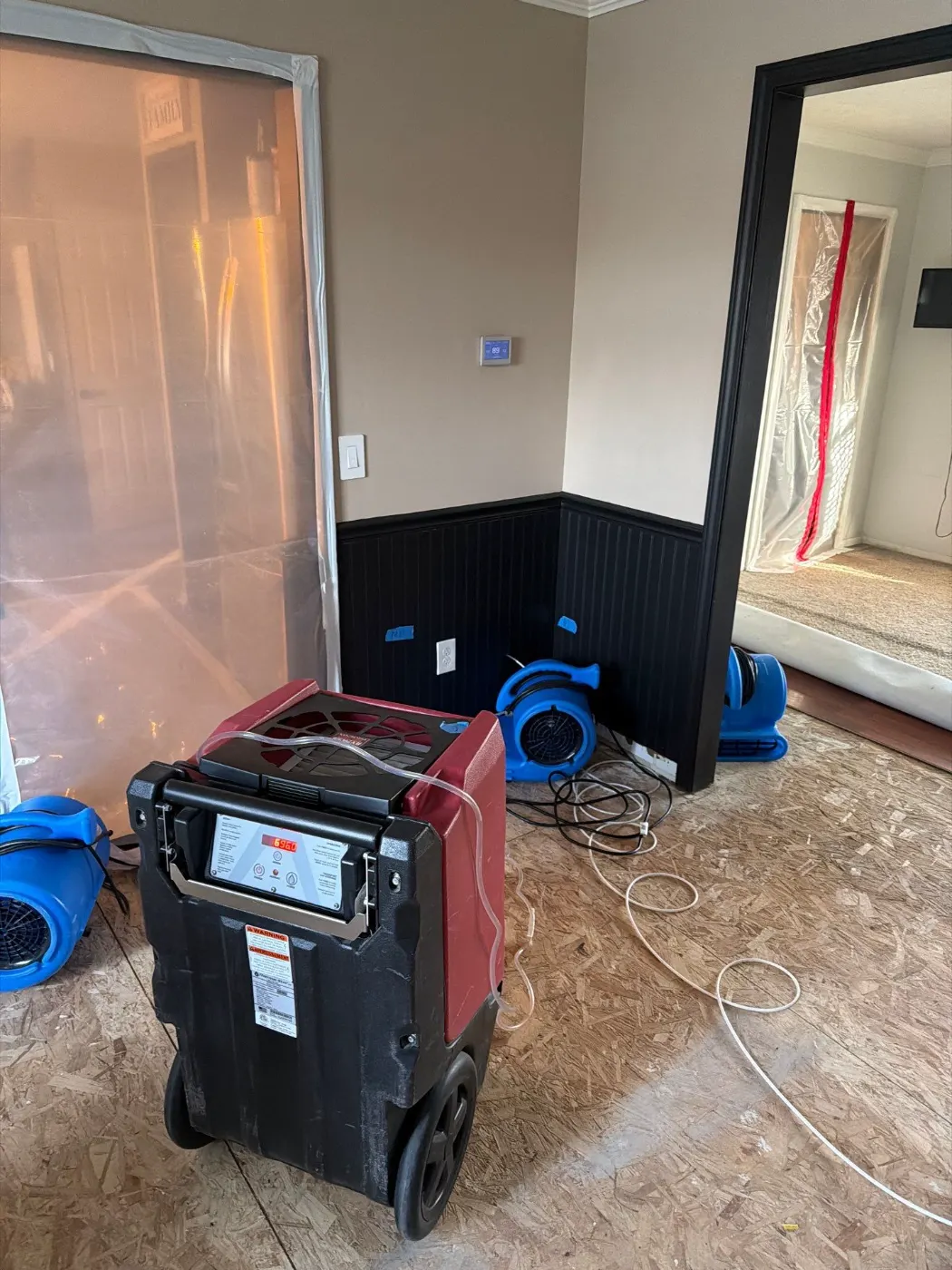
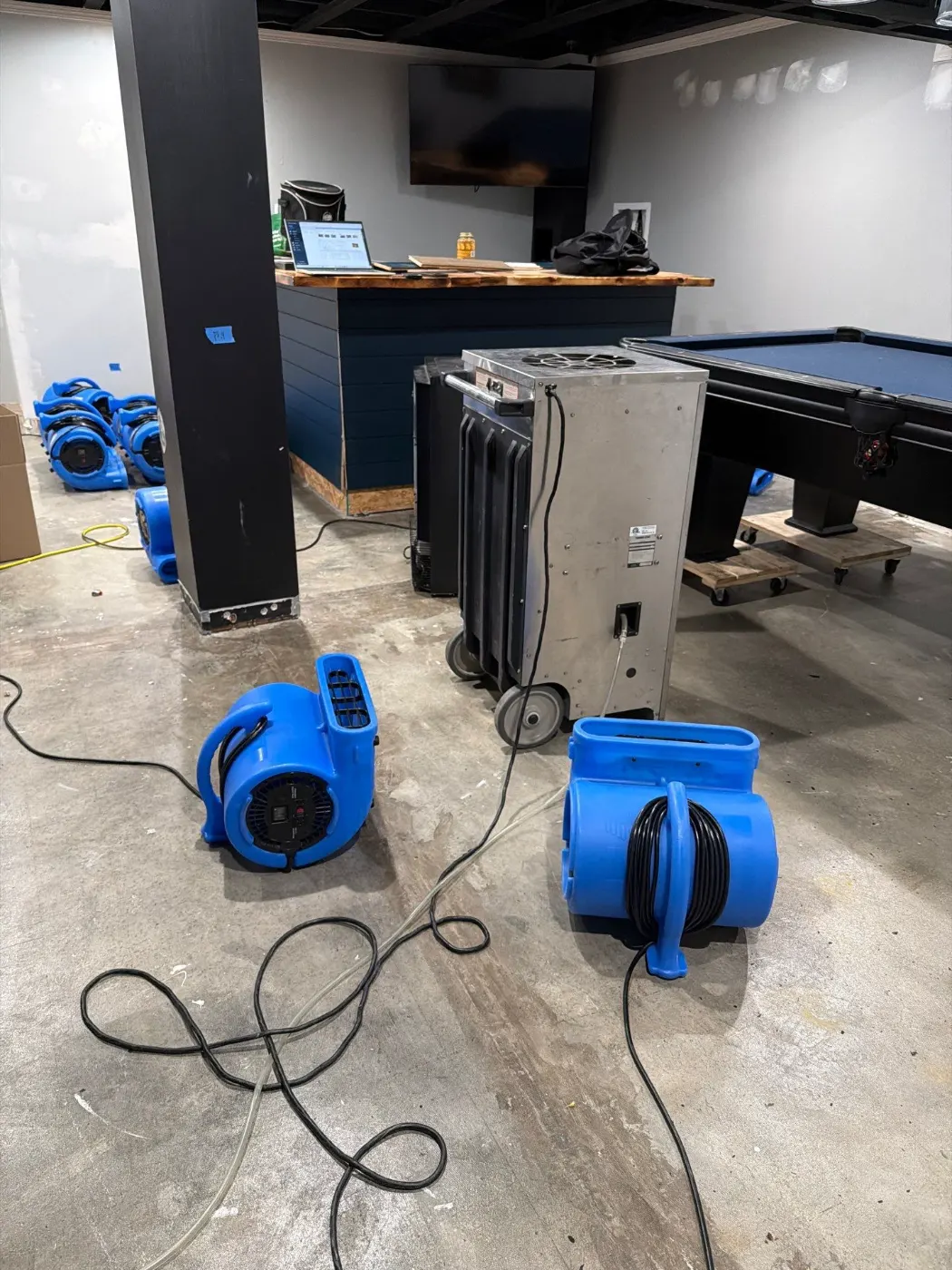
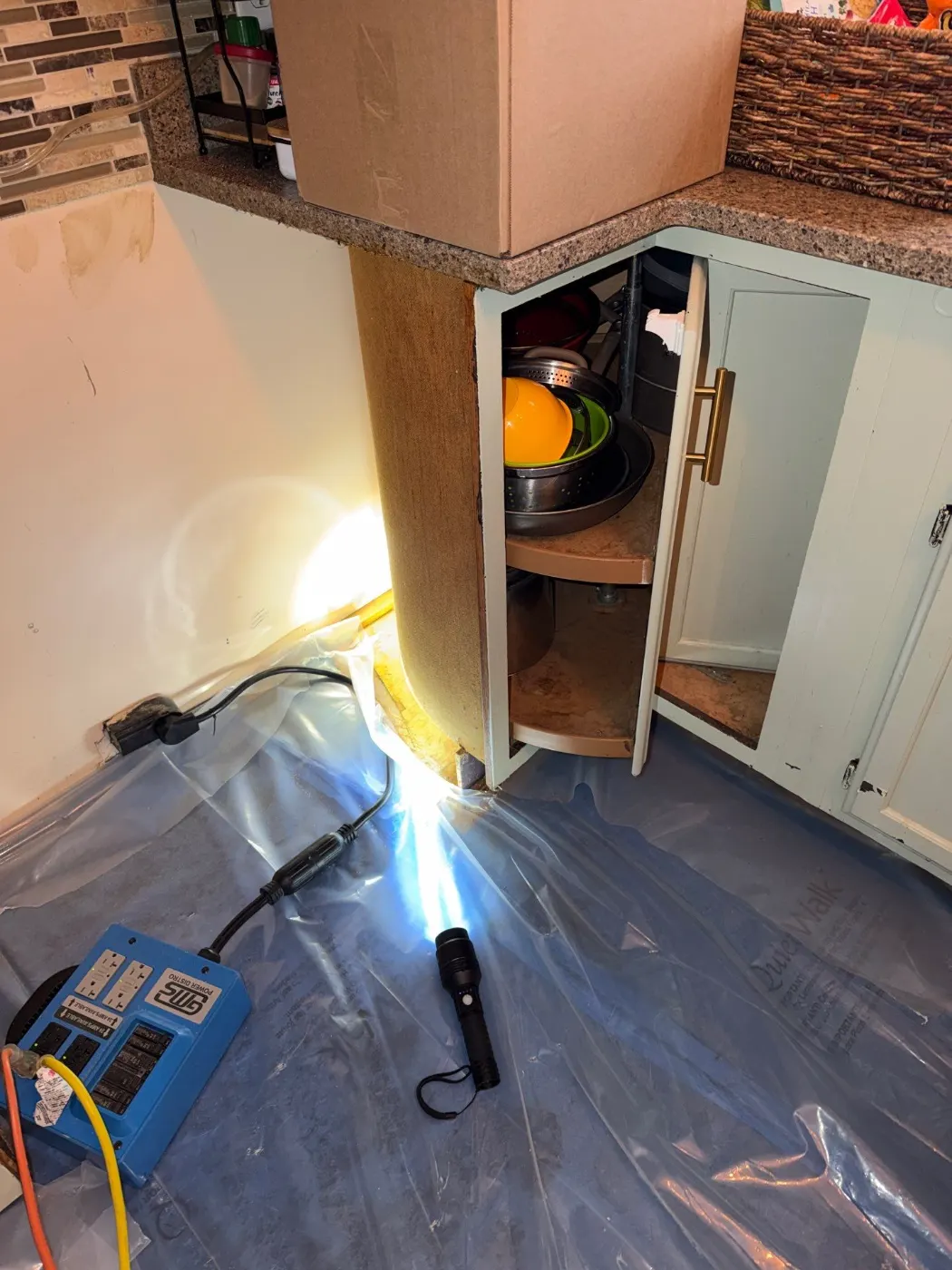
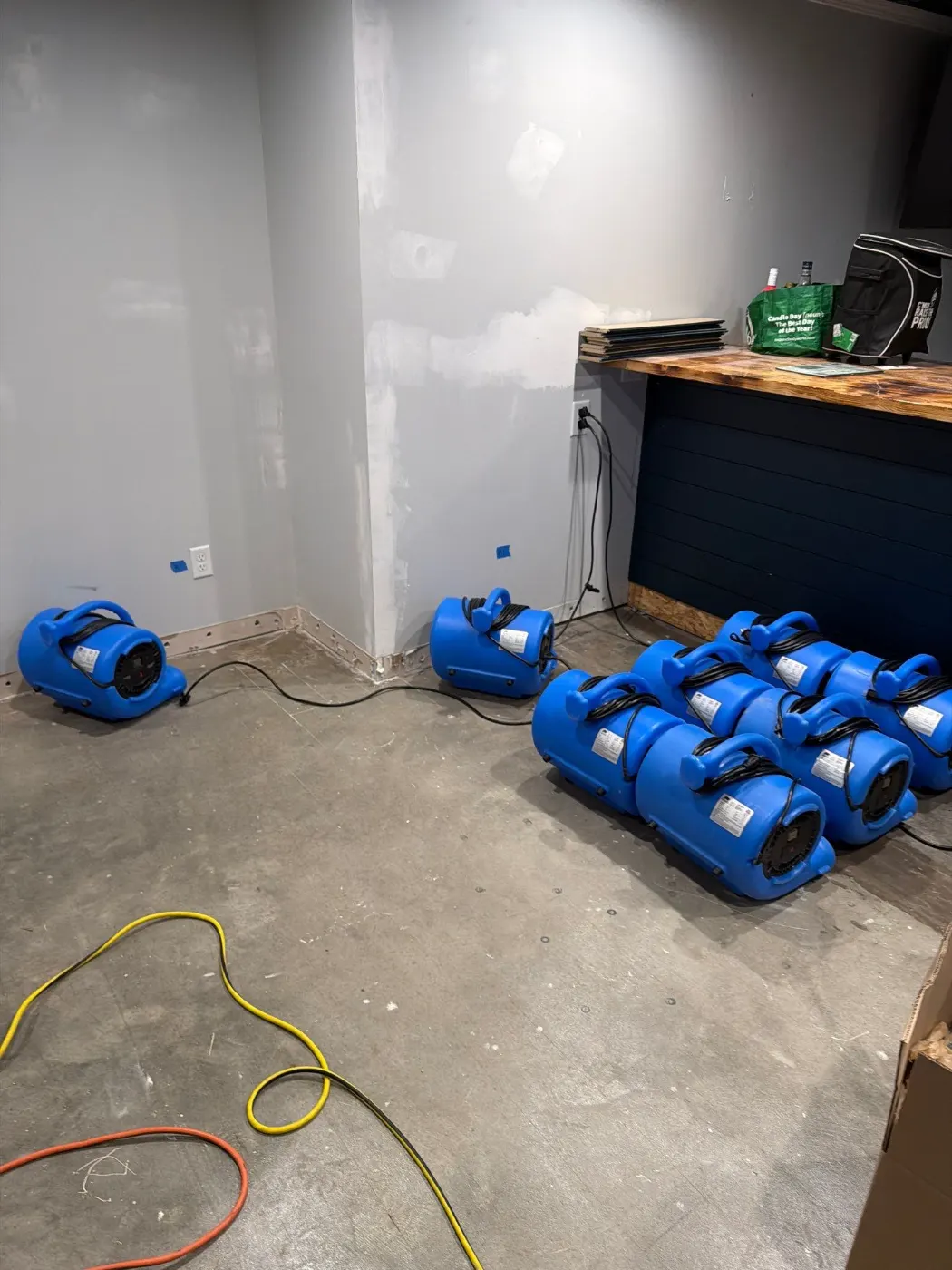
Photographs from real commercial storm damage jobs completed by our crew in Greentown and surrounding areas.
Commercial Storm Damage FAQ
Questions Greentown property managers ask us about commercial storm damage restoration.
Guidance and Standards for Commercial Storm Damage
- The National Weather Service office in Indianapolis posts summaries of recent central Indiana storm and flood events. NWS Indianapolis Event Summaries
- The ANSI/IICRC S500 is the published standard for professional water damage restoration. The current edition is the Fifth Edition, 2021. IICRC S500 Standard
Greentown Neighborhoods We Serve
We take commercial storm damage calls in every part of Greentown. Pick your neighborhood for local details.
Other Restoration Services in Greentown
Greentown Water Restoration handles the full scope of restoration work. Explore our other services below.
Water Damage Restoration in Greentown
24/7 emergency response. IICRC certified water restoration from extraction to full dry out.
Learn more →Basement Flooding in Greentown
Basement water emergencies handled fast. Extraction, drying, mold prevention.
Learn more →Sewage Cleanup in Greentown
Category 3 biohazard cleanup. Full containment, decontamination, structural restoration.
Learn more →Request Commercial Storm Damage Restoration
Reach Us Directly
Our team is available 24/7 for emergencies and ready to schedule inspections during business hours.
Need Immediate Help?
For active water or mold emergencies, call us directly. We are available 24/7.